Losing teeth — whether one, several, or all of them — changes how you eat, speak, and feel about your smile. Dentures have helped millions of people around the world restore their confidence and their quality of life.
If you haven’t worn dentures before, however, the whole process is quite a new and unknown territory. Knowledge of how dentures work for missing teeth will help you in your initial consultation, instead of being concerned.
This guide covers everything you need to know in simple, clear language.
What Are Dentures?
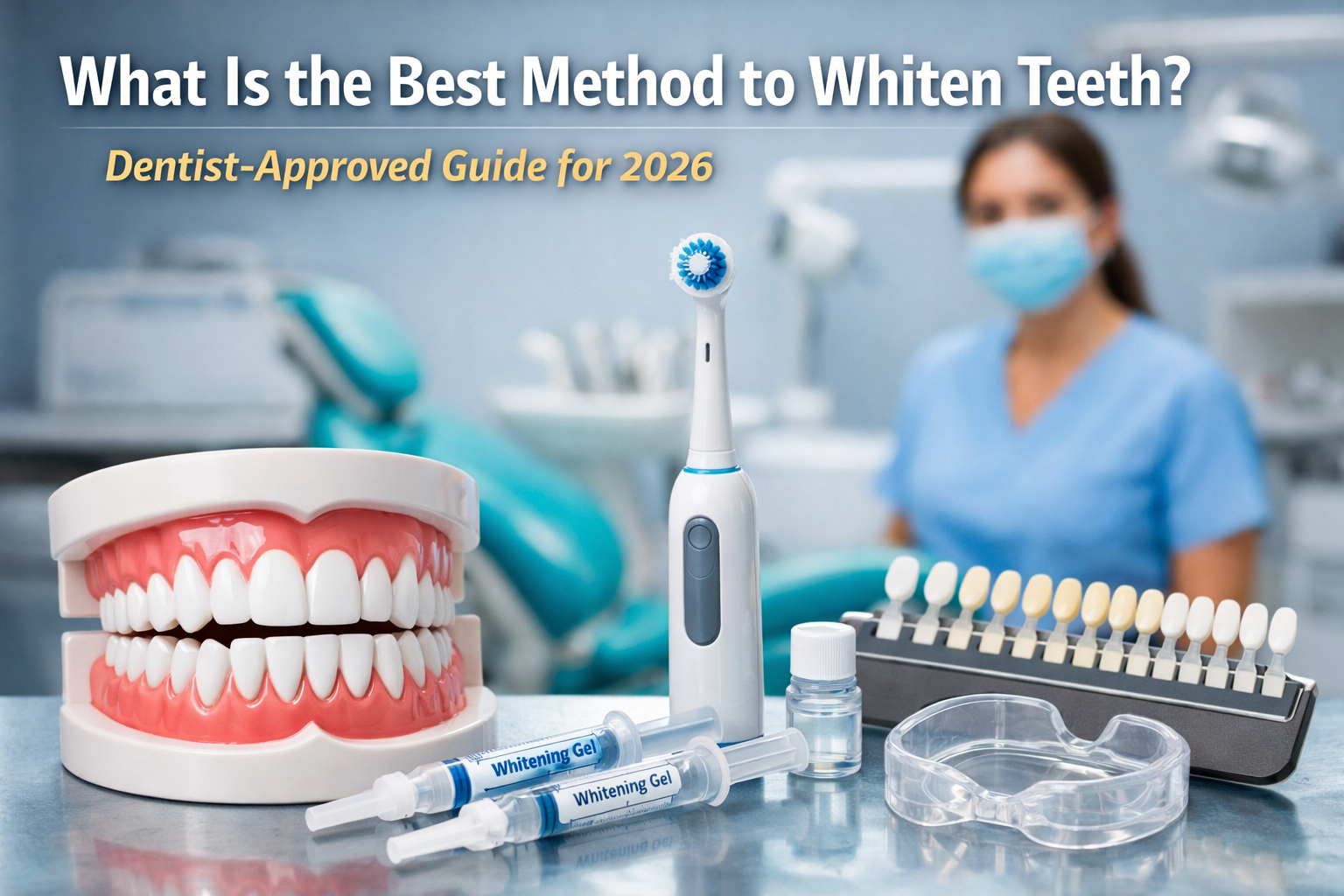
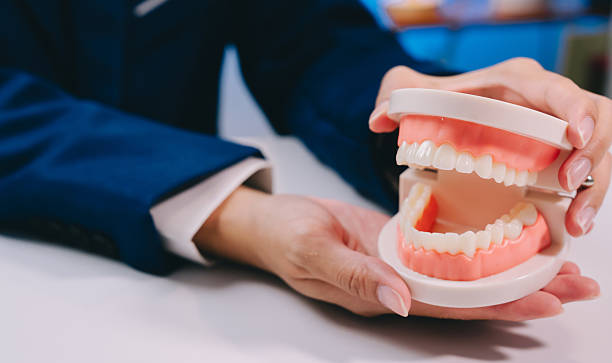
Dentures are removable dental appliances designed to replace missing teeth and the surrounding gum tissue. They are custom-made to fit your mouth precisely and are crafted to look as natural as possible.
They rest on the gums and — in the case of full dentures — use natural suction and sometimes denture adhesive to stay in place. Modern dentures are far more comfortable and natural-looking than the dentures of previous generations.
How Dentures Replace Natural Teeth
Understanding how dentures replace natural teeth starts with knowing what they are made of and how they sit in the mouth.
A denture consists of the following:
- Artificial teeth — made from acrylic resin or porcelain, designed to look like natural teeth
- A base — usually made from acrylic and tinted pink to resemble gum tissue
- A framework—in partial dentures, a metal or acrylic framework helps anchor the appliance to remaining natural teeth
The denture sits directly on the gum ridge. Over time, your mouth adjusts to the appliance, and wearing it begins to feel natural.
The Difference Between Full and Partial Dentures
This is one of the most common questions patients ask—and it is an important one.
| Feature | Full Dentures | Partial Dentures |
| Best for | Patients with no remaining teeth | Patients with some natural teeth remaining |
| How they stay in | Natural suction and adhesive | Clasps that attach to remaining natural teeth |
| Coverage | Full upper or lower arch | Fills specific gaps only |
| Impact on remaining teeth | No natural teeth to attach to | Helps prevent remaining teeth from shifting |
| Adjustment period | Typically longer | Usually shorter |
The difference between full and partial dentures comes down to how many teeth are missing and what remains in your mouth. Your dentist will assess your specific situation and recommend the right type for you.
The Denture Process — What to Expect
Getting dentures in Folsom is a step-by-step process that ensures the best possible fit and comfort.
Here is what typically happens:
- Consultation and examination—your dentist evaluates your gum and bone health and discusses your options
- Impressions—precise moulds of your mouth are taken to guide the creation of your custom dentures
- Trial fitting—a trial denture is placed so your dentist can check the fit, bite, and appearance before finalizing
- Final fitting — your permanent dentures are delivered, and any necessary adjustments are made
- Follow-up visits — your dentist checks in to ensure comfort and make refinements as needed
Most patients require a short adjustment period — typically a few weeks — before wearing their dentures feels completely comfortable.
Tips for Living Well With Dentures
Once you have your dentures near you fitted and placed, a few simple habits help you get the most out of them:
- Remove and rinse dentures after every meal
- Brush them daily with a soft denture brush—not regular toothpaste
- Soak them overnight in a denture-cleaning solution to maintain their shape and hygiene
- Rinse your mouth and gums gently every morning before inserting your dentures
- Visit your dentist in Folsom regularly—even without natural teeth, gum and bone health still need monitoring
- Avoid very hard or sticky foods that could dislodge or damage the dentures
- Handle them carefully over a folded towel when cleaning—they can break if dropped
Are Dentures Permanent?
Dentures are not permanent in the same way that implants are, but with the right care, they can last between five and ten years before needing replacement.
The shape of your gum and jawbone changes naturally over the course of time. This is why dentures eventually become looser-fitting and require relining or replacement. If you see a dentist near you routinely, you will have the ability to monitor changes before they cause you any pain.
Your New Smile Starts Here. My Smile Folsom Is Ready to Help
Dentures have helped countless people eat comfortably, speak clearly, and smile confidently again. The process is straightforward, personalized, and more comfortable than most people expect.
With My Smile Folsom, we take a closer look and lead you through each stage of the denture process carefully and patiently. Whether this is your first time considering dentures or if you need to replace a set, our team is available to assist you so you are no longer uncomfortable with your smile.
Make an appointment with us today so you can begin to have a smile that works.
Frequently Asked Questions
Q1: How long does it take to get used to wearing dentures?
Most patients adjust to their new dentures within two to four weeks—during this time, speaking and eating may feel slightly different, but most people find it becomes natural quite quickly with consistent wear.
Q2: Can I sleep with my dentures in?
Most dentists recommend removing dentures at night to give your gum tissue time to rest and recover—soaking them overnight also helps maintain their shape and keeps them hygienic.
Q3: How will my dentures affect my speech?
Most patients experience very little change to their speech (and most change will be to specific sounds); however, after only a couple of weeks, the tongue and lips will adapt and get used to the dentures.
Q4: What should I do if my dentures feel loose or uncomfortable?
Contact your dentist promptly. Loose dentures can irritate the gums and affect eating and speaking, and your dentist can reline or adjust them to restore a comfortable, secure fit.